

Your period tracking app data may be at risk in post-Roe America
Is it time to ditch them?

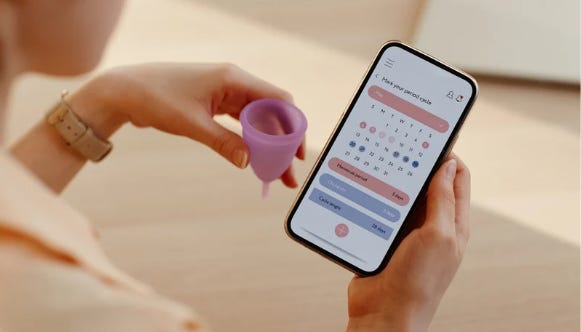
Period tracking apps offer convenience for millions of women, enabling them to chart menstrual cycles and predict fertile days. But in post-Roe America, that data could become a liability under anti-abortion state laws.
The U.S. Supreme Court struck down Roe v. Wade on June 24, 2022, in Dobbs v. Jackson Women’s Health Organization (Supreme Court, 2022). Since then, 13 states have banned abortion, some at six weeks, according to the Guttmacher Institute (2023 data). Apps like Clue, Flo and Ovia log cycle dates, missed periods and symptoms—details that could suggest a pregnancy ended (Clue FAQ, Flo Features, Ovia Privacy Policy). Where abortion is illegal, this data might draw scrutiny.
Privacy advocates warn it could be subpoenaed to target abortion seekers. After Dobbs, social media flared with calls to delete period apps, spotlighted by a June 26, 2022, tweet: “Your period tracker knows more about your cycle than the government should”. These apps don’t measure hormones like estrogen but use algorithms to estimate cycle phases, offering guesses that might hold legal weight.
A Precedent in Mississippi and Nebraska
Digital evidence has already been wielded against women. In 2017, Mississippi prosecutors used Latice Fisher’s Google search (“buy abortion pills”) in a stillbirth case, as reported by The New York Times (Oct. 2, 2018). Period app data could play a similar role, especially under Texas’ SB8, which lets citizens sue abortion seekers (Texas Legislature, 2021).
In Nebraska, police took it further. Jessica Burgess, 41, and her 17-year-old daughter Celeste faced felony charges in 2022 for allegedly ending a 23-week pregnancy—past the state’s 20-week limit (Nebraska Rev. Stat. § 28-329). They claimed a miscarriage, but a June warrant uncovered Facebook messages via Meta, showing Jessica guiding Celeste on abortion pills and disposal plans (Norfolk Daily News, Aug. 9, 2022). Reported by Vice (Aug. 9, 2022), it’s a stark warning of digital vulnerability.
Why Apps Lack Protection
Unlike medical records, most period app data isn’t shielded by HIPAA, as they’re consumer products, not healthcare providers (HHS HIPAA Rules). This exposes it to warrants or breaches. A 2022 Consumer Reports study found Flo and Clue once shared data with Facebook, though policies tightened post-backlash (Consumer Reports, Jan. 13, 2022). Governments could still access it through legal orders or data brokers, per the Electronic Frontier Foundation (EFF, 2022).
How to Protect Yourself
Deleting your app won’t erase your trail. Experts suggest:
Use Signal for encrypted chats—Messenger’s encryption is optional (Signal.org, Meta Messenger Privacy).
Track cycles on paper.
Try Euki, a nonprofit app storing data locally (Euki Privacy).